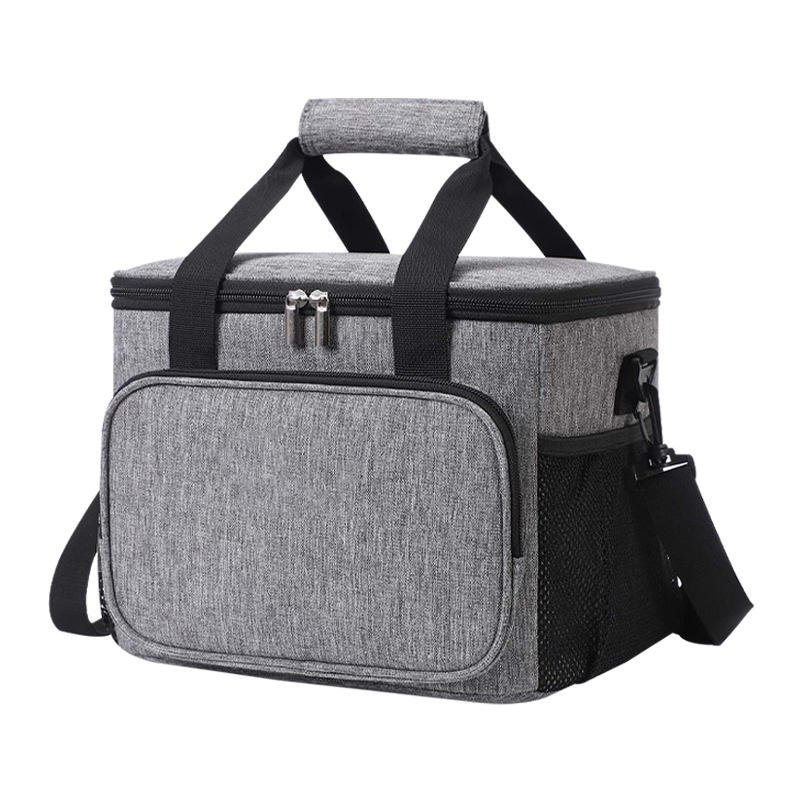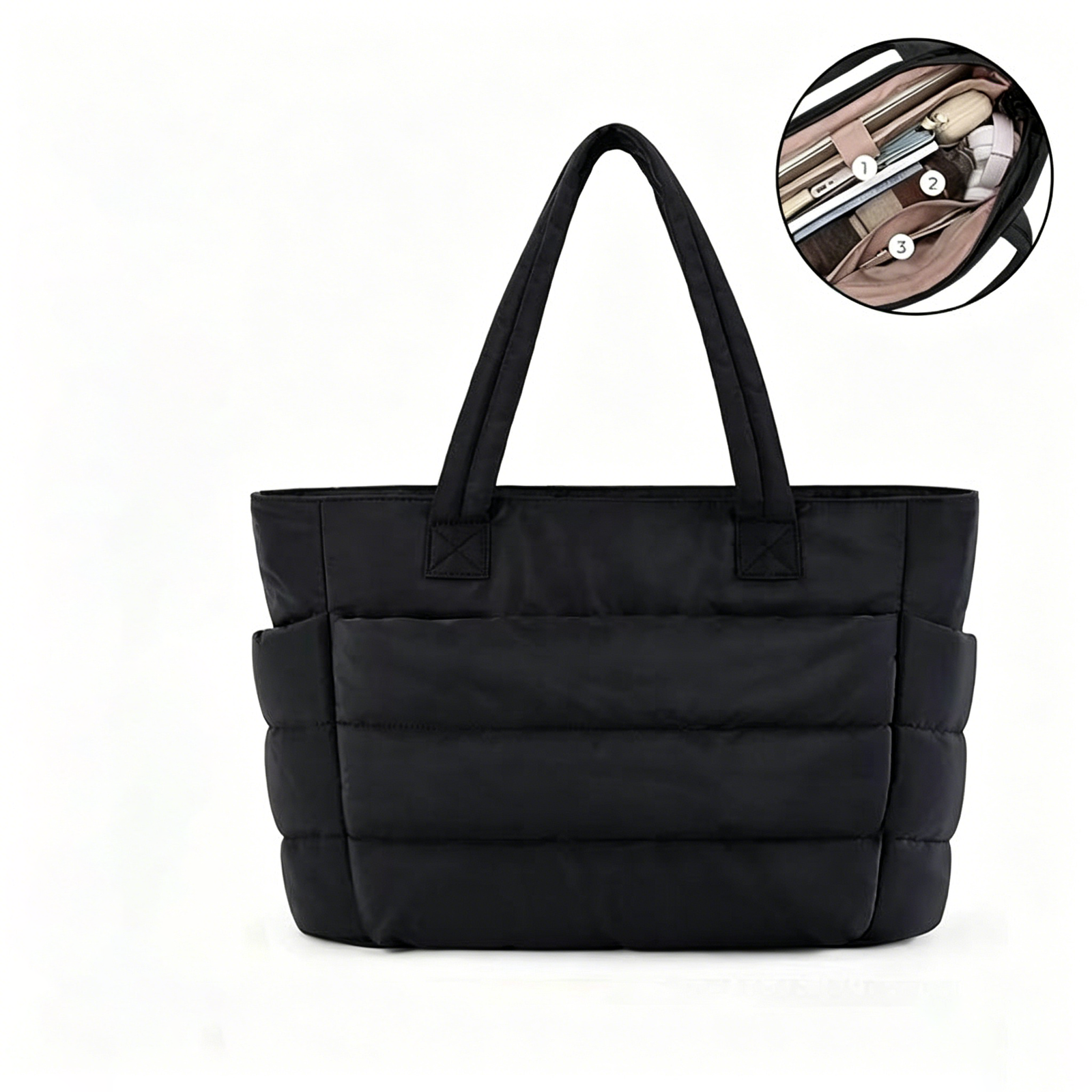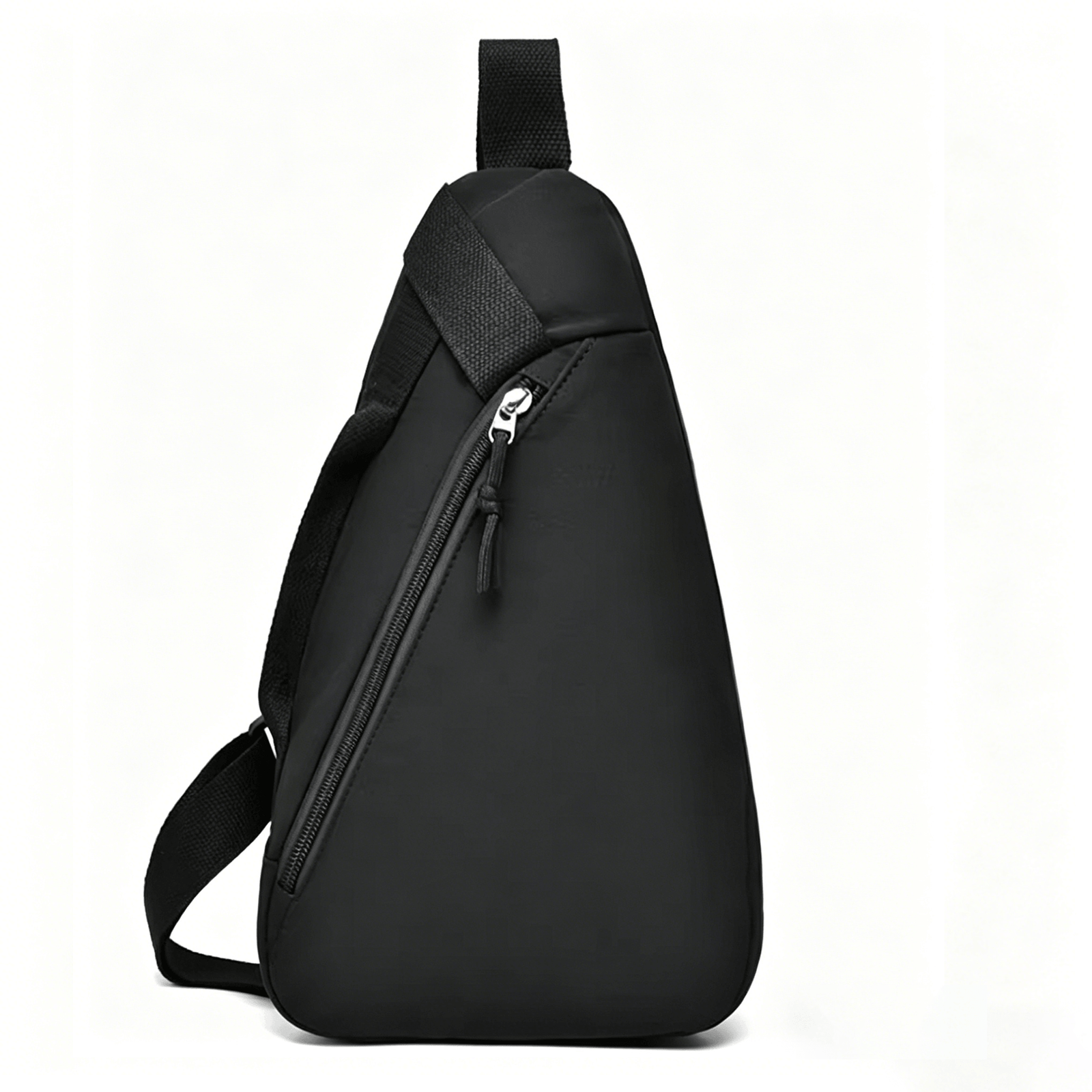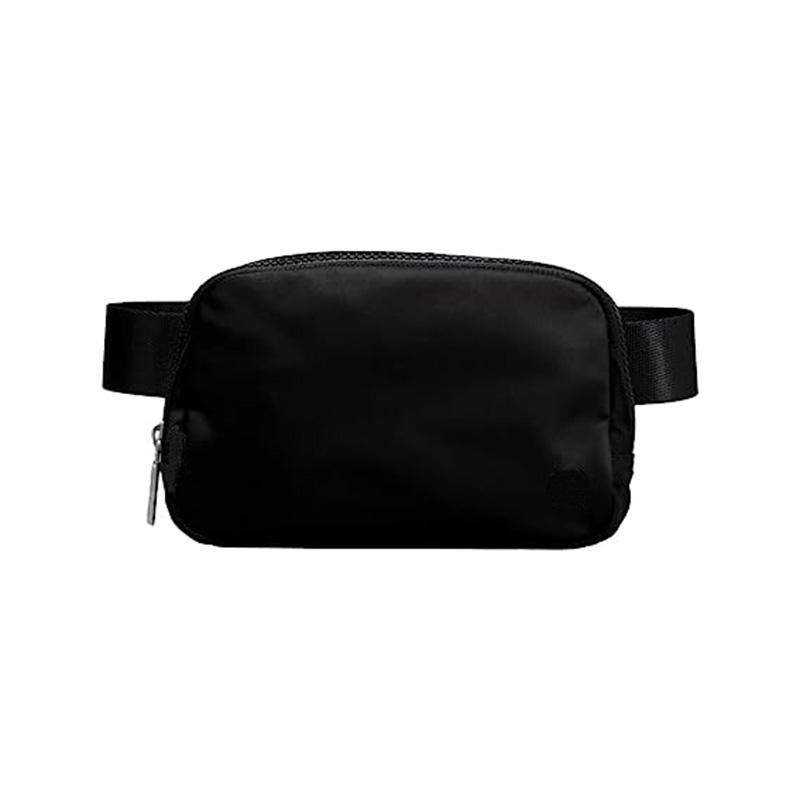

When you’re investing in custom bags for your business??hether for a corporate event, a retail launch, or a promotional campaign??he material you choose determines three critical outcomes: perceived quality, longevity, and cost.
Oxford fabric is the industry standard for durable, cost-effective custom bags. But “Oxford” isn’t one thing. It comes in different weights, measured in Denier (D). Choosing the wrong Denier can mean spending too much on material you don’t need, receiving bags that feel flimsy, or missing the sweet spot for your specific use case.
This guide will help you confidently select between 300D, 600D, and 840D Oxford fabric??nd understand how each choice impacts your final product.
What is Denier?
Denier (D) is a unit of measurement for the linear mass density of fibers. In practical terms, it measures how thick and heavy the thread is.
- Low Denier (300D) = Finer thread, lighter fabric
- High Denier (840D) = Thicker thread, heavier fabric
Denier isn’t the only factor??eave density and coatings also affect final performance??ut it’s the most reliable starting point for comparing fabric weight and durability.
300D Oxford Fabric: Lightweight & Economical
Typical Weight: 150-180 GSM | PU Coating: Optional | Common Uses: Promotional totes, event giveaways, grocery bags
Advantages
- Cost-Effective: Lowest material cost??deal for large quantities where budget is primary
- Lightweight: Easy to fold and transport; lower shipping costs
- Soft Feel: Flexible and pleasant to handle
- Fast Production: Easier to cut and sew; shorter lead times
Best Use Cases
- Trade show swag bags
- Conference attendee totes
- Retail shopping bags
- Promotional giveaways where quantity outweighs longevity
600D Oxford Fabric: The Industry Gold Standard
Typical Weight: 210-250 GSM | PU Coating: Standard | Common Uses: Everyday totes, laptop sleeves, cosmetic bags, corporate gifts
600D strikes the perfect balance. It’s substantial enough to feel like a quality bag??ot disposable??et remains cost-effective for bulk orders.
Advantages
- Excellent Durability: Resists tearing and daily wear; typical lifespan of 2-5 years
- Good Structure: Bags hold their shape and stand upright when empty
- Versatile: Compatible with screen printing, embroidery, and most customization
- Water Resistant: Standard PU coating repels light rain and spills
840D Oxford Fabric: Heavy-Duty & Rugged
Typical Weight: 300+ GSM | Coating Options: PU (standard) or PVC (maximum resistance) | Common Uses: Tool bags, equipment cases, premium luggage, tactical gear
Advantages
- Maximum Durability: Abrasion-resistant, puncture-resistant, built to last 5-10+ years
- Rigid Structure: Bags stand firmly on their own; excellent protection for contents
- Premium Perception: The weight and texture communicate high quality instantly
How to Choose: A Simple Decision Tree
How long should this bag last?
- A few events or months ??300D
- A few years of regular use ??600D
- 5+ years of hard use ??840D
What will the bag carry?
- Light items (papers, swag) ??300D is fine
- Everyday items (laptop, books, groceries) ??600D
- Heavy or valuable items (tools, equipment) ??840D
Frequently Asked Questions
Q: Can I mix Deniers in one order?
A: Yes. Many clients order 600D for their main tote line and 300D for smaller accessory pouches.
Q: Is Oxford fabric eco-friendly?
A: Traditional Oxford is polyester-based. We also offer Recycled PET Oxford made from post-consumer plastic bottles.
Q: Can I get samples before committing?
A: Absolutely. We’ll ship a fabric swatch book showing 300D, 600D, and 840D side-by-side so you can feel the difference yourself.
Let Us Help You Choose
Contact Oujia Bags today for a free material consultation and sample.