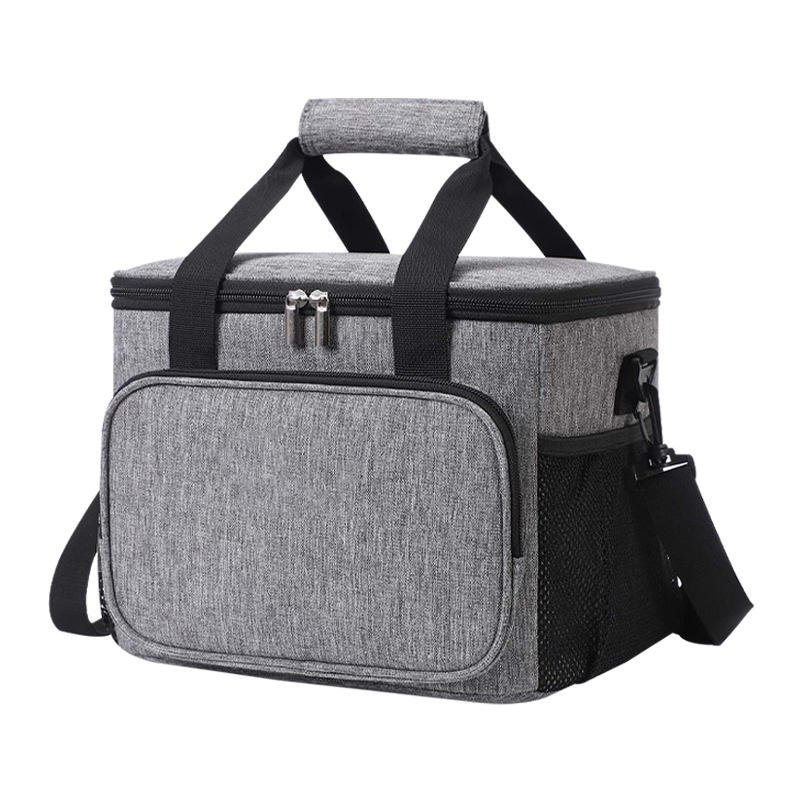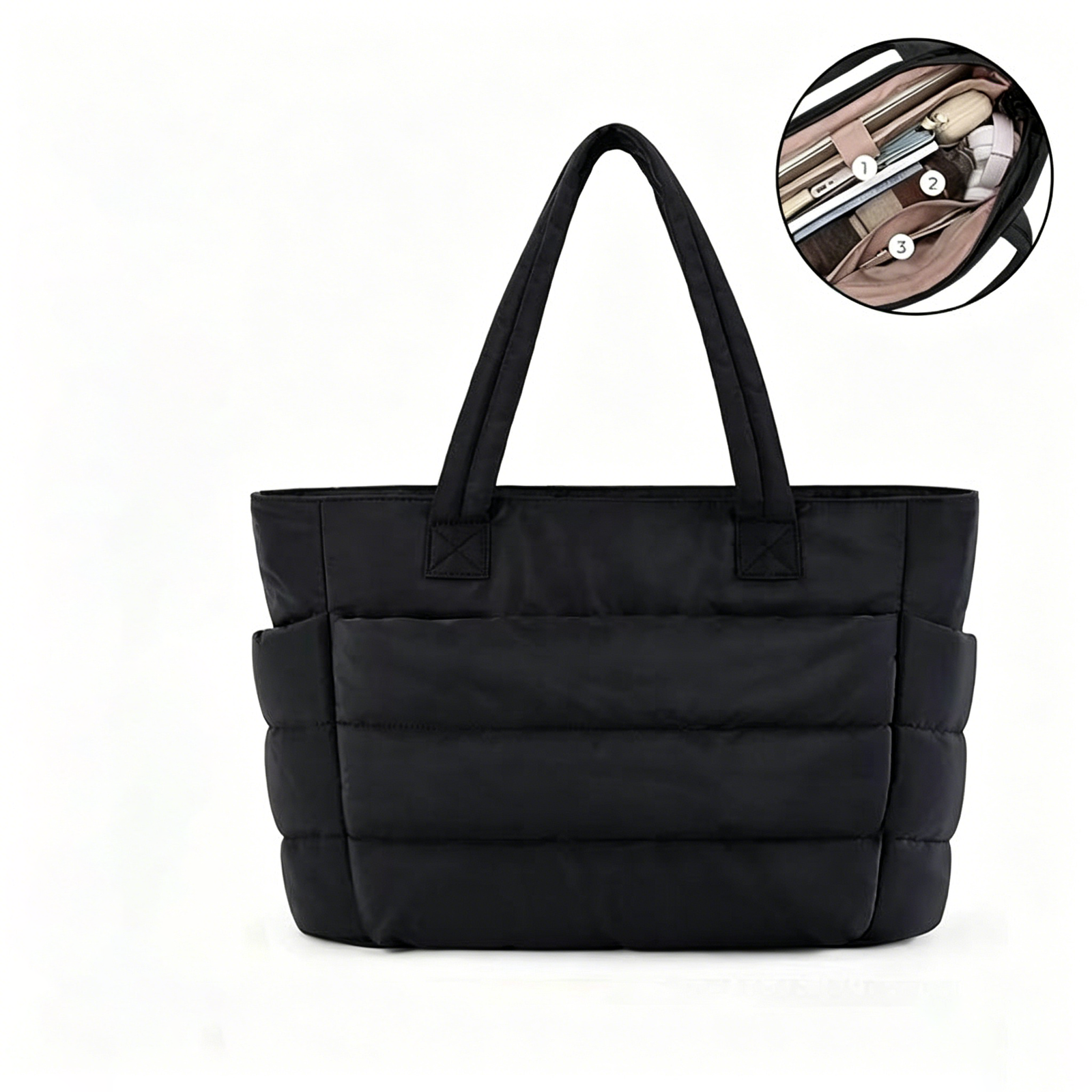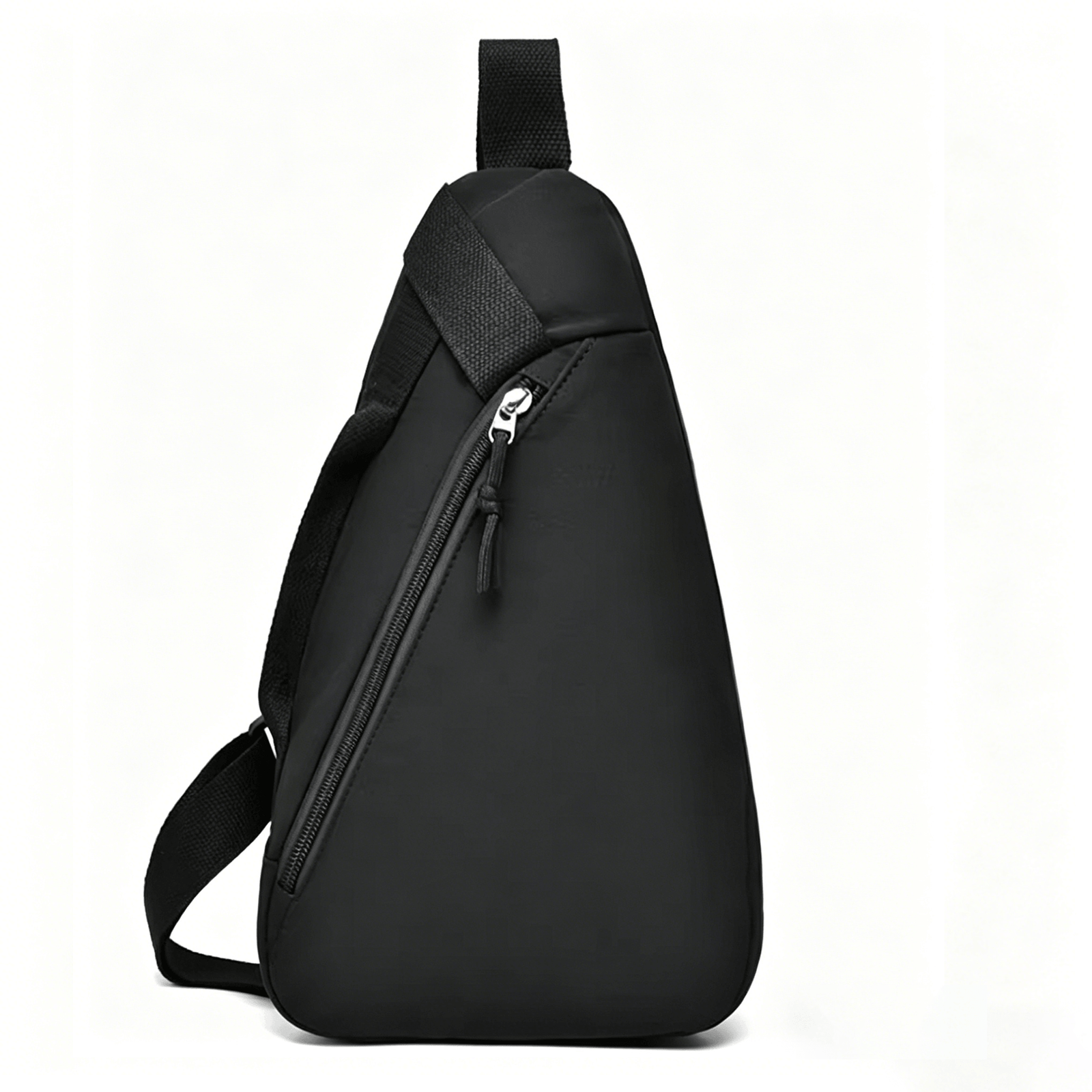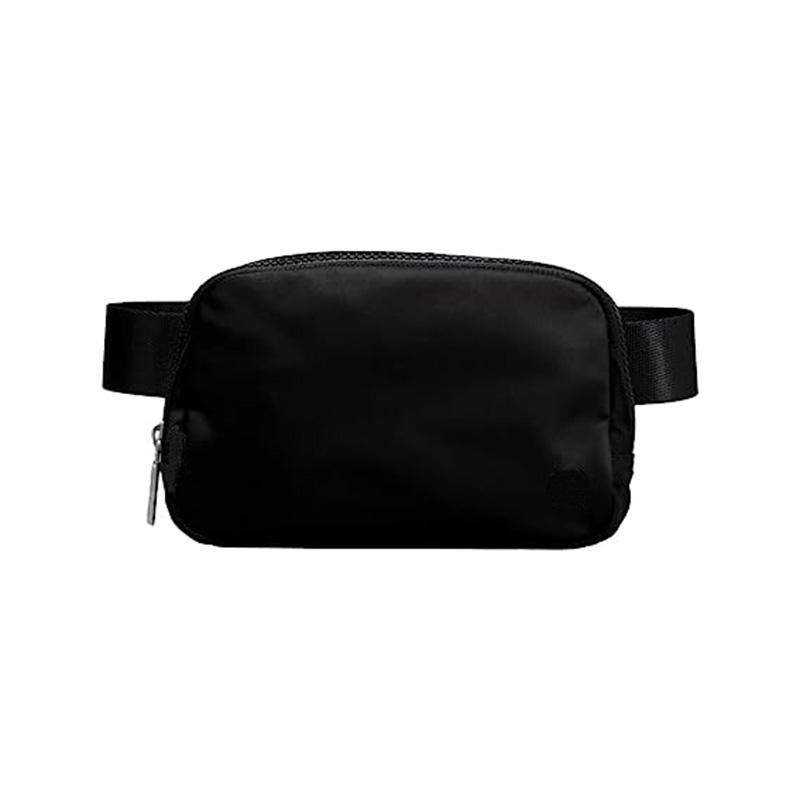

If you’re a gift company, brand owner, or distributor selling into European or North American markets, you’ve likely noticed a shift.
RFPs now include sustainability requirements. Corporate clients ask for eco-friendly options. End consumers increasingly choose brands that align with their values.
The custom bag industry is no exception. The question is no longer if you should offer sustainable options??t’s how to do it credibly and cost-effectively.
Enter RPET: Recycled Polyethylene Terephthalate.
It’s the most practical, scalable sustainable fabric for custom bags today. At Oujia Bags, we’ve integrated RPET across our production lines??iving our clients a genuine eco-friendly option without sacrificing quality or affordability.
What is RPET?
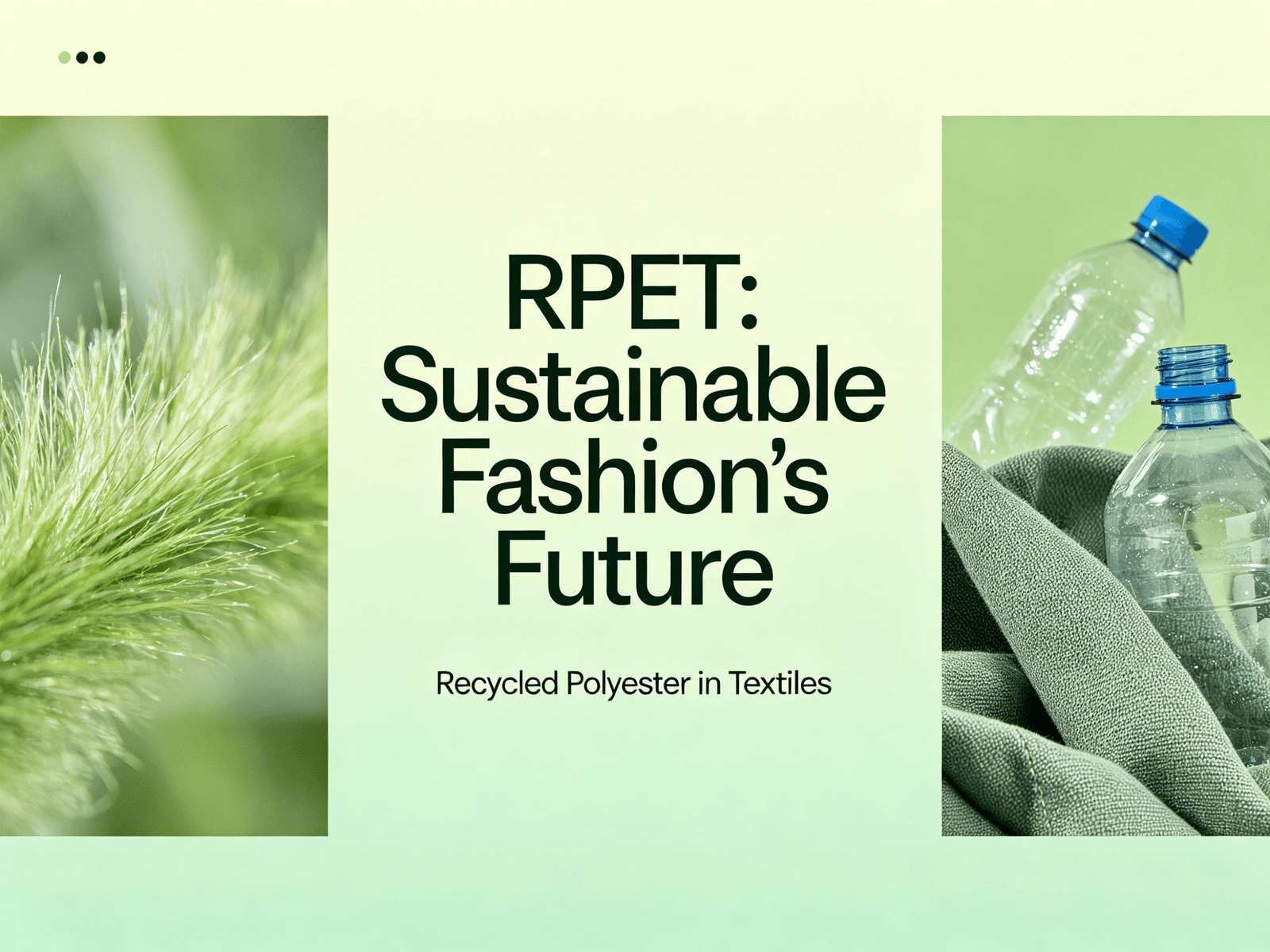
RPET stands for Recycled Polyethylene Terephthalate. In plain English: Fabric made from recycled plastic bottles.
How It’s Made
- Collection: Post-consumer PET bottles are collected from recycling streams
- Cleaning & Sorting: Bottles are washed, labels removed, and sorted by color
- Shredding: Clean bottles are crushed into small flakes
- Melting & Extrusion: Flakes are melted and extruded into fine polyester fibers
- Spinning & Weaving: Fibers are spun into yarn and woven into RPET fabric
The resulting fabric is chemically identical to virgin polyester??ut with a fraction of the environmental footprint.
Key Environmental Benefits
- Energy Consumption: 50-60% less than virgin polyester
- Water Usage: 90% less
- CO??Emissions: 30-50% lower
- Plastic Waste Diverted: Keeps bottles out of landfills and oceans
RPET vs Traditional Oxford Fabric: A Comparison
Many clients ask: Does RPET feel different? Is it as durable? Will it cost more?
- Appearance: Identical??annot be distinguished by eye
- Texture/Feel: Slightly softer hand-feel
- Durability: Equivalent??ame tensile strength
- Water Resistance: Good with PU coating??ame performance
- Cost: 5-15% higher, depending on volume
- Sustainability Credentials: GRS certifiable
The bottom line: RPET performs as well as virgin polyester in every functional metric. The only difference is a small cost premium??nd a significant sustainability story your clients can tell their customers.
Understanding GRS Certification
When marketing RPET bags, recycled claims need to be verifiable. That’s where GRS (Global Recycled Standard) comes in.
The Global Recycled Standard is an international certification that verifies recycled content, chain of custody, social compliance, and environmental practices.
At Oujia Bags, we source RPET fabric from GRS-certified mills. Upon request, we can provide GRS transaction certificates (TC) for your order, giving you full documentation to support sustainability claims.
RPET in Practice: Custom Bag Applications
RPET is available across most common custom bag styles:
- RPET Oxford 300D: Lightweight totes, promotional bags
- RPET Oxford 600D: Everyday totes, laptop sleeves, cosmetic bags
- RPET Canvas: Premium totes, shopping bags
- RPET Non-Woven: Economy promotional bags
All standard customization methods (screen printing, embroidery, heat transfer, woven labels) work perfectly on RPET.
Why RPET Gives Your Clients a Competitive Edge
Offering RPET bags isn’t just about being green??t’s a business advantage.
- For Gift Companies: Corporate clients increasingly mandate sustainable swag. A GRS-certified RPET bag checks that box and helps win RFPs.
- For Brands: Sustainability is now brand equity. RPET bags align the brand with consumer values and support ESG reporting.
- For Distributors: RPET is a premium-tier product with better margins. It differentiates your catalog from competitors.
Studies consistently show that 60-70% of consumers in North America and Europe are willing to pay more for sustainable products.
RPET Cost Explained
Cost premium by order volume:
- Under 1,000 units: ~10-15% premium
- 1,000 – 5,000 units: ~8-12% premium
- 5,000 – 10,000 units: ~5-10% premium
- 10,000+ units: ~3-8% premium
Consider a 10,000-unit order with a .15 per-unit RPET premium. Total additional cost: ,500. Now consider the value: winning a corporate RFP that requires sustainable products, strengthening brand positioning, or avoiding lost sales. For most clients, the premium is a worthwhile investment.
Frequently Asked Questions
Q: Is RPET as strong as regular polyester?
A: Yes. Laboratory tests show equivalent tensile strength and abrasion resistance.
Q: Can RPET bags be recycled again?
A: Yes. RPET is fully recyclable at end-of-life through textile recycling streams.
Q: Does RPET feel different?
A: Many clients report RPET Oxford feels slightly softer than virgin polyester Oxford??ften perceived as a quality upgrade.
Q: Can I get RPET samples?
A: Yes. We maintain a full RPET sample library and will ship samples before you order.
Q: What’s the minimum order quantity for RPET bags?
A: Same as our standard MOQs. We don’t impose higher minimums for RPET orders.
Start Your RPET Project with Oujia Bags
Sustainability isn’t a trend??t’s the new baseline for brands and gift companies doing business globally.
At Oujia Bags, we make it easy to offer RPET bags your clients will love. Contact Oujia Bags to request RPET samples and pricing.